
by Emmalia Harrington

Photostories are a form of graphic storytelling using one or more photographs. The images may come with captions, comic-book-style word balloons, or forgo text altogether. The medium originated in early 20th-century American newspapers and 1960s Italian fumetti comics. Photostories, marketed as “fotonovels,” have also appeared in many beloved science fiction and fantasy franchises, such as Alien and Star Trek. For today’s SFF authors, photostories can serve as a form of marketing, combining prose with striking imagery. For authors with dysgraphia, making storytelling easier can be achieved by reducing the amount of text required to convey their ideas.
How the Format Evolved
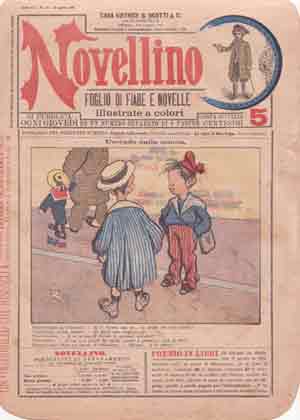
Some of the first known photostories were published in the New York Evening Graphic, a tabloid newspaper that ran from 1924 to 1932. During its brief run, it gained a reputation for recreating current events using composite photos with captions and pieces of dialogue beneath the images. From the 1940s onward, the medium gained popularity in Italy, producing stories from a diverse range of genres, including melodramas, romances, crime stories, and more. They became so popular that the Italian word for comics, “fumetti,” became an English term for photostories.
In the late 1970s, there was a boom of photostories in the SFF world. Franchises such as Doctor Who, Alien, Battlestar Galactica, and Star Trek found new lives for their movies and television episodes. Screen captures became comic book panels, and the panels combined to retell the films and shows in print format. These books had many names, including “photostory,” “photonovel,” “fotonovel,” and “movie novel.” The publications varied in size and scale, from a modest 300 screencaps for smaller books to over 1,000 for oversized deluxe editions.
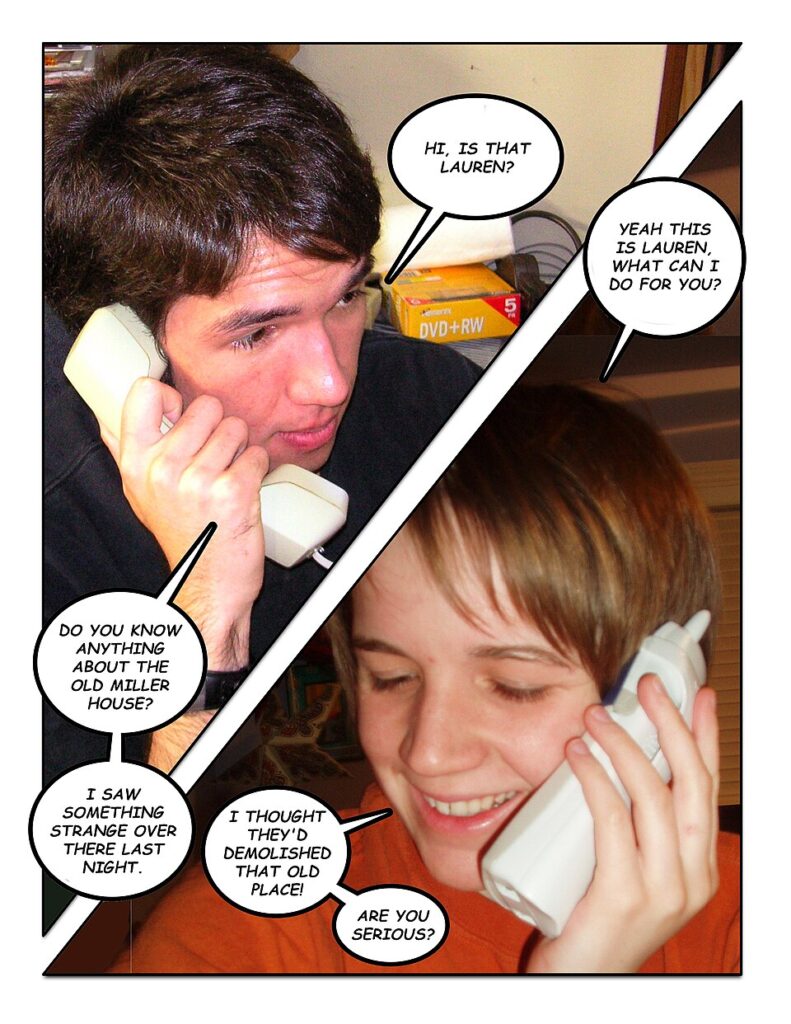
This boom faded with the advent and growing popularity of the VCR and home video. SFF photostories still live on today, though they’re more likely to be independent work than part of a greater franchise. Alien Loves Predator, an independent parody, uses action figures to portray the characters living among humans. The Last Gay Man on Earth uses the medium to blend memoir with science fiction, magical realism, and meta-narrative.
Photostories as Creative Tools
In our age of social media, authors are expected to do a lot of our own self-promotion. Photostories are a useful tool for drawing attention to ourselves and our work. Using pictures with evocative imagery catches attention. They also quickly establish setting and character, allowing for condensed storytelling useful for social media. In this way, they serve as an elevator pitch, but with visual details.
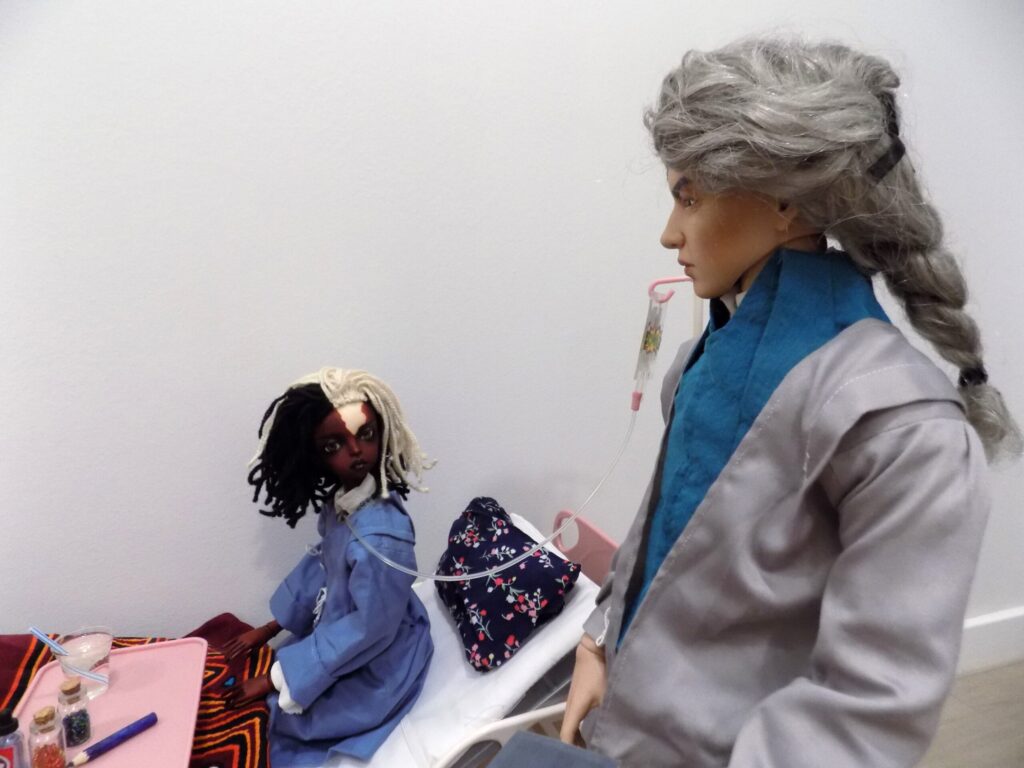
One instance where photostories can help with promotions is by drawing attention to a new publication. I have done this, as has fellow author Beth Alvarez. A side story related to the new work can be a literal and metaphorical snapshot into your characters’ world, or of the themes you’re conveying. Photostories can be used on their own or incorporated into a greater campaign, along with blog tours, reviews, and the like. Pieces related to your older works can help draw attention to your back catalogue.
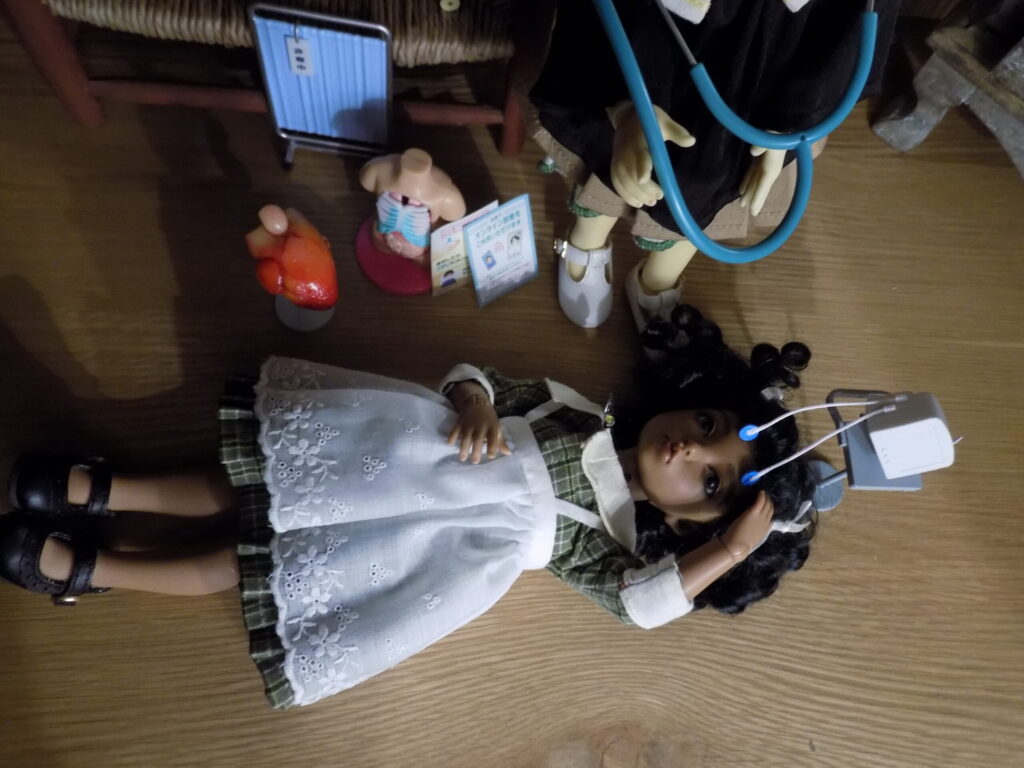
On a personal note, photostories can also be useful for authors with dysgraphia. Dysgraphia is an umbrella term for various forms of neurodiversity that make writing challenging. Sometimes, the act of handwriting can be physically painful, resulting in illegible writing. Others may struggle with translating raw thoughts into understandable text. When they do write, they may end up with confusing grammar, omitted words, or inconsistent spelling. Or they may be like me, with all of the above.
Photostories are a compromise between the passion for storytelling and dysgraphic challenges. Images convey setting and reduce the need for descriptions. They also help with characterization as the model’s looks or poses showcase age, mannerisms, and other elements of character. As pictures say so much, dysgraphic authors can focus on writing about the heart of the story through dialogue or narration.
How to Get Started
To make your own photostory, first decide on the story you want to tell and how you want to express it. For example, if you want a minimalist look with a character-based focus, then you don’t need many backgrounds and props. If you want to use preexisting photos, then you don’t need to worry about creating a set.
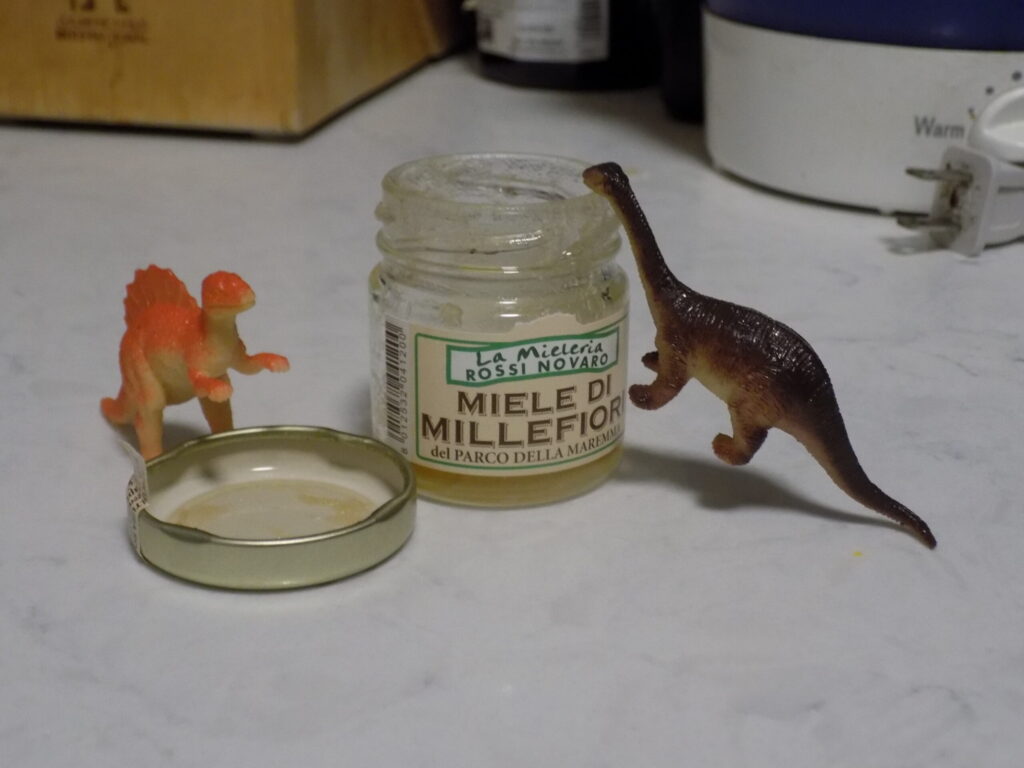
Once you’ve finished planning, gather what you need. Some people, like the creator of Alien Loves Predator, tell their story through action figures or other objects. If you want to use models, scheduling is a must. Depending on the story, you may also want or need costumes, makeup, or other items to get the look you wish. Still more creators may want to take advantage of public domain photographs, like Victorian ghost photos or screencaps from films such as A Trip to the Moon. Another option is stock photography.
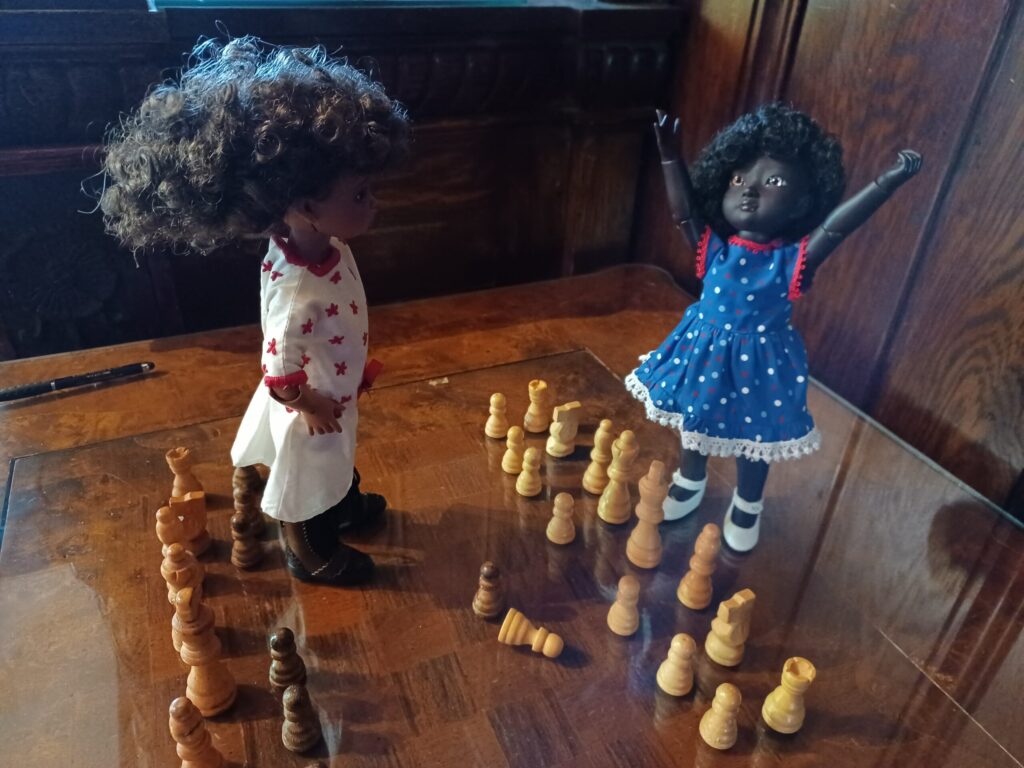
Since photographs are not always perfect, you may want to edit your chosen pictures to your desired lighting, filters, and other effects. If you prefer text or word balloons on your pictures rather than separate captions, edit them in. If you’d like to add captions, do so below the corresponding image.
Congratulations! Your photostory is now complete.
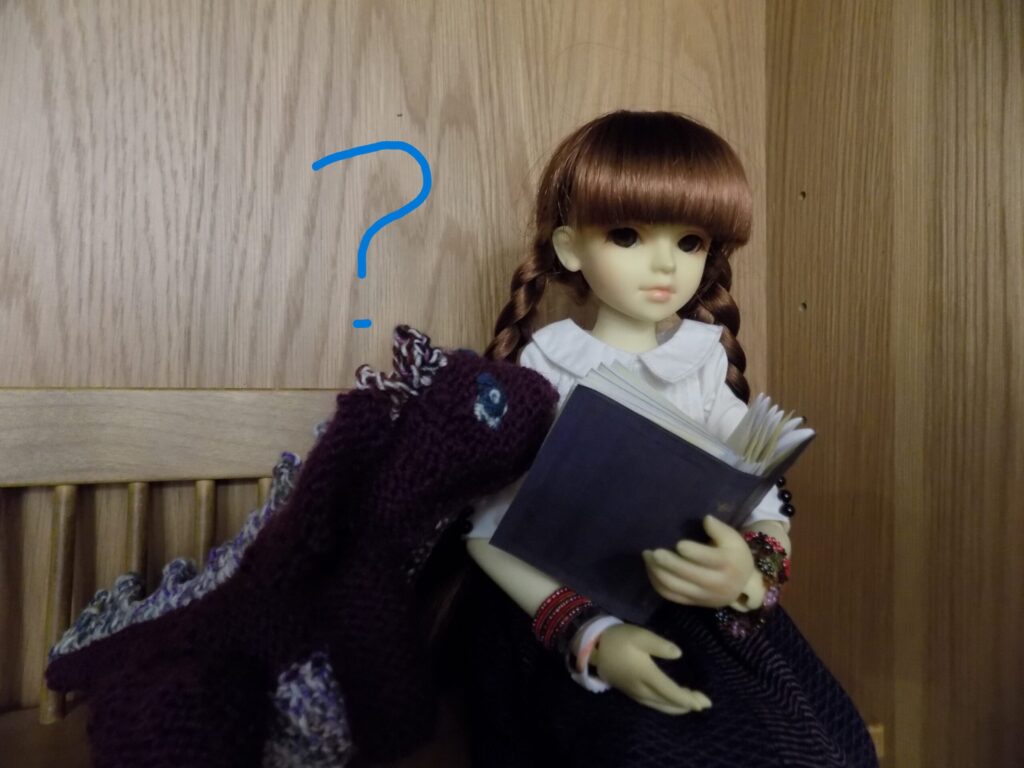
Photostories are a fun way to stretch your creativity and explore alternative ways of telling stories. They have a long history in SFF, including retelling large studio productions such as films and TV shows. Today’s author doesn’t need the elaborate sets and equipment of film and TV to tell their own photostories, nor do they require printing. With a camera, a few models or props, and simple photo editing software, you can make your own photostories to promote your writing, work around dysgraphia, or whatever else you desire.
Explore more articles from Writing by Other Means
 Emmalia Harrington is a disabled QBIPOC with a deep love of speculative fiction. This passion has led them to Codex and SFWA memberships, as well as the inaugural Voodoonauts program. Their short stories can be found at FIYAH, Abyss and Apex, Flame Tree Press, and other venues. Their first novel, Walk on Grey Ruins, is available at most bookstores. When they aren’t reading or writing, they are usually crafting or busy in the kitchen. Learn more at Emmalia Writes.