
by Gabrielle Kirouac Byrne

The Victorians got at least one thing right. In the wake of new technologies and Darwin’s trip on the HMS Beagle, citizen science flourished. The wealth of new discoveries (and people’s access to information about them) stirred hearts and grew in scope and ferocity. All anyone needed to make a potentially valuable contribution was curiosity, a way to take notes, and their own eyes. That spirit of citizen discovery continues today. Whether it’s through binoculars, satellites, or the naked eye, there’s always more to understand and investigate—and we can all take the case.
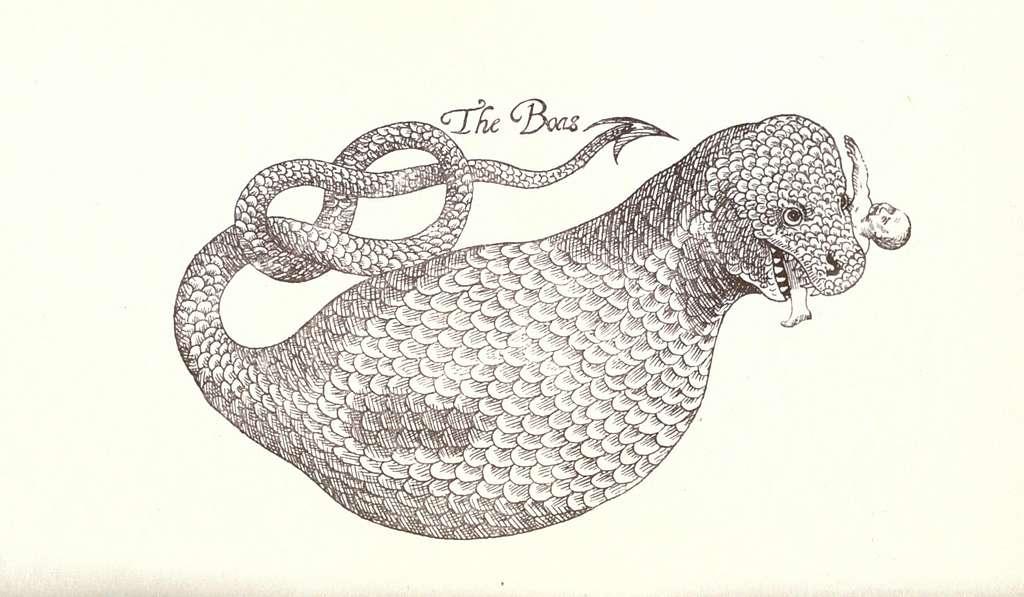
Source: Biodiversity Heritage Library.
Applying Familiar Patterns to Fantasy Particulars
Human brains are built for pattern recognition, and we’re a curious bunch. Throughout our lives, we examine the world and collect data to make patterns. On top of that, writers tend to be amazing observers and good at asking questions. We can use these truths to our very great advantage when we create our speculative worlds by building on patterns we know exist in nature.
A kitten eats and must find food. A bear eats and must find food. I eat and must find food. Therefore, I can imagine that a dragon must also eat and find food. Connecting a fantastical element (dragons) to an observable, obvious pattern (creatures need to eat) can enrich our stories. Multiplied across a world, these simple, familiar connections also help readers inherently connect to that fictional place, even when it’s different in all the particulars.
While the scale and amount of detail we share depends on our word count and our audience, this worldbuilding approach works for readers of any age. We are all in relationship with our world no matter how old we are. All fictional universes combine the strange with the familiar to get reader buy-in, whether it’s an epic adult saga or a middle grade stand-alone. Nature questions help integrate and explore the strange through the familiar. Younger readers may be especially receptive to these patterns of connections because they are still in the process of actively building these observations to understand their own place and power in this world.
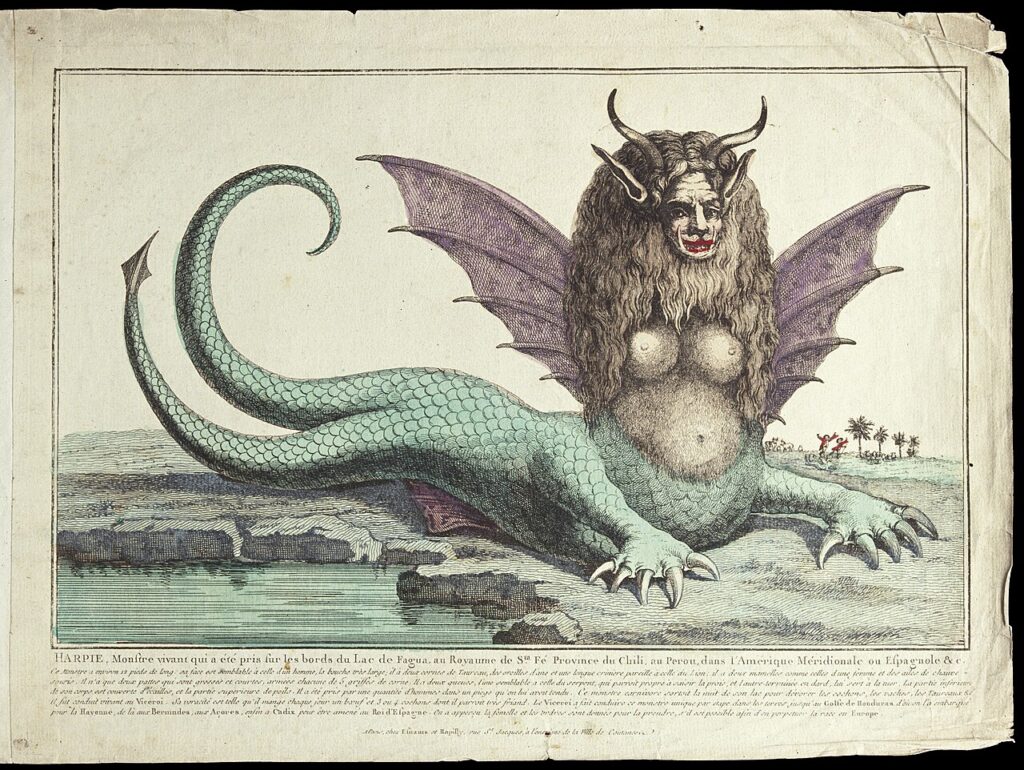
Via Wikimedia Commons.
Basic Needs Are the Building Blocks
Start by applying questions about the basic needs of living beings to your worldbuilding. I’ve included a list of sample questions below. Begin with one creature/animal—ideally one you expect to be at least tangentially relevant to your story—but you can also consider the same questions for related creatures that come up. Most, if not all, of these questions are also relevant to humans/humanoids, and it can be elucidating to use them with your human characters. It’s deceptively simple, but you may be surprised by the trove of information you glean.
Keep in mind that, particularly when writing for kids, even small details can fuel fantastic scenes. Pick your poison (perhaps literally) and these moments of human-animal interaction can be funny, poignant, or pivotal to plot and character development. Whether it’s baby moose snot or the toxins of a colorful frog, ask yourself: What would a kid think was cool/gross/extra/sweet about this fictional creature? What would they do if they came across it? What would you have done at that age? For a young adult, ask whether the interaction could be formative to who they are—or who they’re becoming. Could it provide a deeper understanding or metaphor for something they’re going through?
Be Curious: Nature-based Questions for Your Worldbuilding
● Is your animal primarily a predator, prey, working animal, or companion?
● What is this animal called? Start with its common name (e.g., squirrel, dragon, bear-cat, greater bipple-hound). For fun, try exploring a scientific name. For example, a gray squirrel is Sciurus carolinensas. Sciurus comes from the words shadow and tail (in Greek) and the Carolinas were where people documented the beasties.
● What does your animal eat? If your creature is a companion or working animal, consider what it would eat in its natural environment.
● Where is your animal’s food found, and what does it have to do to get it? Do other creatures also eat this same food? Does the food have a way to protect itself? What does your animal’s food eat?
● How has your animal adapted to where it lives? For example, if it lives in a cold place, does it have a fur coat or layer of blubber? If it lives in the dark, does it have a strong sense of smell or good night vision? If it needs to hide in trees, does it have long claws to cling to the bark?
● What can hurt or kill your animal?
● When in danger, is your animal more likely to fight or to hide? How is it adapted to do this?
● Does your animal migrate? If so, why, and when, and how, and to where/how far?
● How does your animal reproduce? Does it have lots of babies, or is it rare to have children, or is it something in-between? Is your animal born alive, or does it hatch, or clone itself, or something else? How long do babies stay with their parents (or don’t they)?
● How long does your animal live?
● Does your animal have a death ritual (e.g., elephants, who often have family graveyards)?
● What does the landscape look like where your animal lives (mountains, desert, ocean, air, jungle, savannah, urban/sub-urban, other)?
● What stories would humans share about these animals (scary, funny, irritated, loving, reverent)? Try telling one of these stories.
● Does this animal (or perhaps one of its related resources or habitats) impact a human system (think economic resources, power structures, social hierarchies, spiritual belief systems—or some/all of the above)? How?
From a single creature, you’ll be building a landscape. For each landscape, you can go on to consider additional questions about things like storms, the seasons, the weather, the light, and more.
Using questions about nature like these, writers can enhance existing fantasy worlds or reverse engineer rich, expansive landscapes from scratch—worlds that impact our characters and touch our readers no matter how old they may be. You don’t need a science degree. Just the directive of Victorian citizen scientists: have fun and be curious.
Explore more articles from The KidLit Chronicles
 Gabrielle Kirouac Byrne lives in the tangled wilds of the Pacific Northwest, where she writes fantasy for both kids and grown-ups. Gabby also works as an editor and book coach for fantasy writers, has degrees in literature and in environmental studies and spent more than 15 years working in communications and non-formal science education on topics related to marine organisms and habitat, conservation, policy, and human health. She is the author of Rise of the Dragon Moon and The Edge of Strange Hollow. Learn more at www.gkbyrnebooks.com.