
by Monica Cross
In 2018, I sat in a bar in Ybor City, Florida, and watched a Martian priestess draw tarot cards. Each card corresponded to a video entry from the archive that she had come to Earth to steal. The video entries were that of the first Mars colony mission. As each card was drawn, the priestess embodied one of the original crew members in her search for answers to what happened to Earth’s ecosystem. Her goal was to understand why similar things occurred on the terraformed Mars.
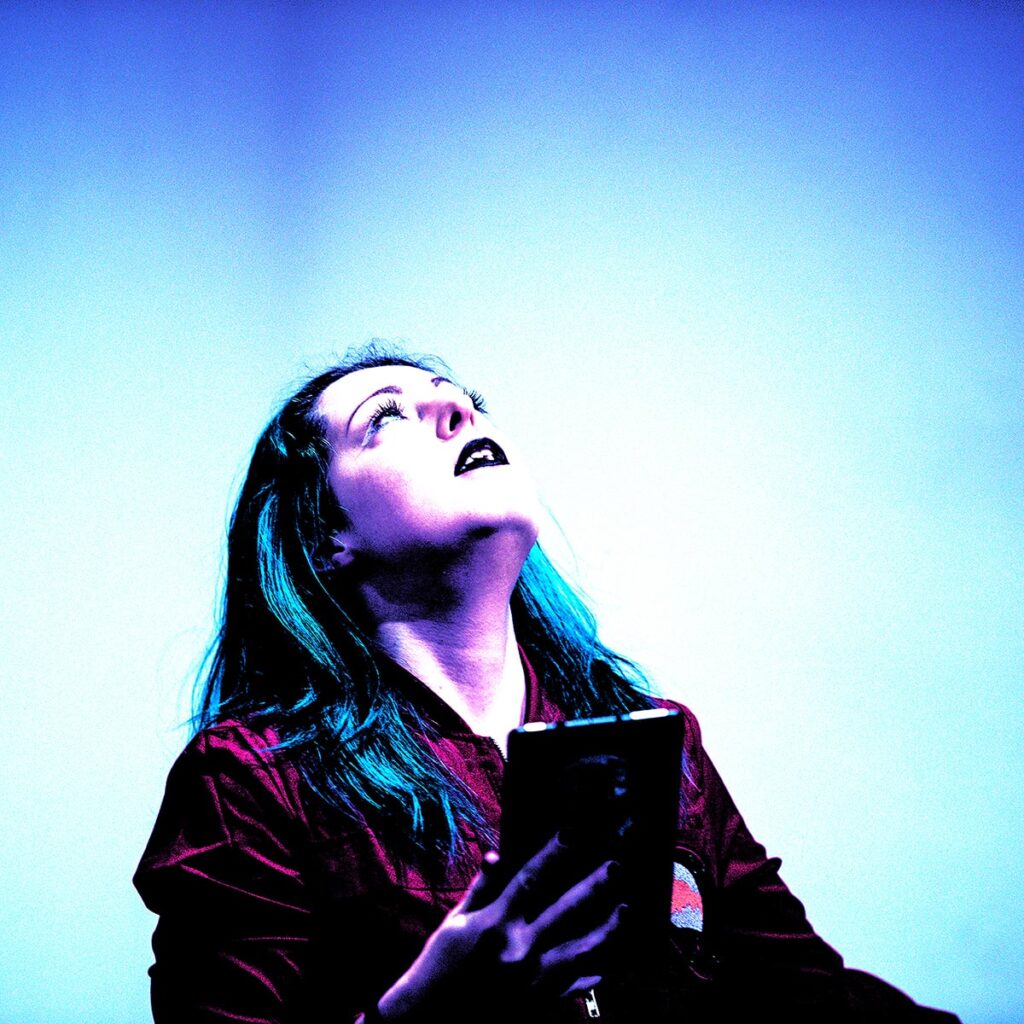
The Sibyl of Mars was performed by its author, L. Nicol Cabe, who stood alone on stage, wearing a flight suit. She had nothing but a chair, a tablet, and her tarot deck. At the end of the show, the sibyl used the tarot cards drawn throughout the hour-long performance to produce a reading that was a call to arms for the audience about how to save our own planet from ecological collapse. Seven years later, I still think about the simplicity of the staging, the complexity of the writing, and the immediacy of the performance. This sort of science fiction and fantasy frequently graces the stages of fringe festivals across the world.
What Is Fringe?
Fringe festivals started over 70 years ago with the Edinburgh Festival Fringe and celebrate original and often experimental performances. A fringe festival does not produce shows, but it provides a framework for artists to present their own work. Writers who want their work done at fringe are either going to produce it themselves or need to find a producer to take on the project.
Most fringe festivals are open to improv, stand-up, dramatic work, musicals, puppets, you name it, and these festivals are often uncensored and unjuried. So while each fringe has its own organizer, culture, and process, there are some common things you can expect at most festivals. For instance, many use a lottery system: Artists apply and names are drawn until there are no slots left.
There are some fringe festivals that are curated. They select participants in order to maintain a specific feel across their entire event. Whether they are curated or unjuried, there is an expectation among fringe festivals that the shows will be fresh and innovative work.
World Fringe maintains a list of fringe festivals across the globe. Check out their website for more information and to find a fringe near you.
SFF at Fringe
It’s not only the unjuried nature of most fringe festivals that makes them an ideal setting for new science fiction and fantasy plays; it is also the culture of experimentation. Between the relative scarcity of SFF in theater and SFF plays’ tendency toward pushing theatrical limitations, SFF is ideal for the fringe environment. There is a buzz that surrounds fringe festivals, and they attract a very loyal following among a certain type of theatergoer. Most fringe attendees are eager to see something that they can’t get in a mainstream theater. Often, the weirder a show is, the more attention it will receive.
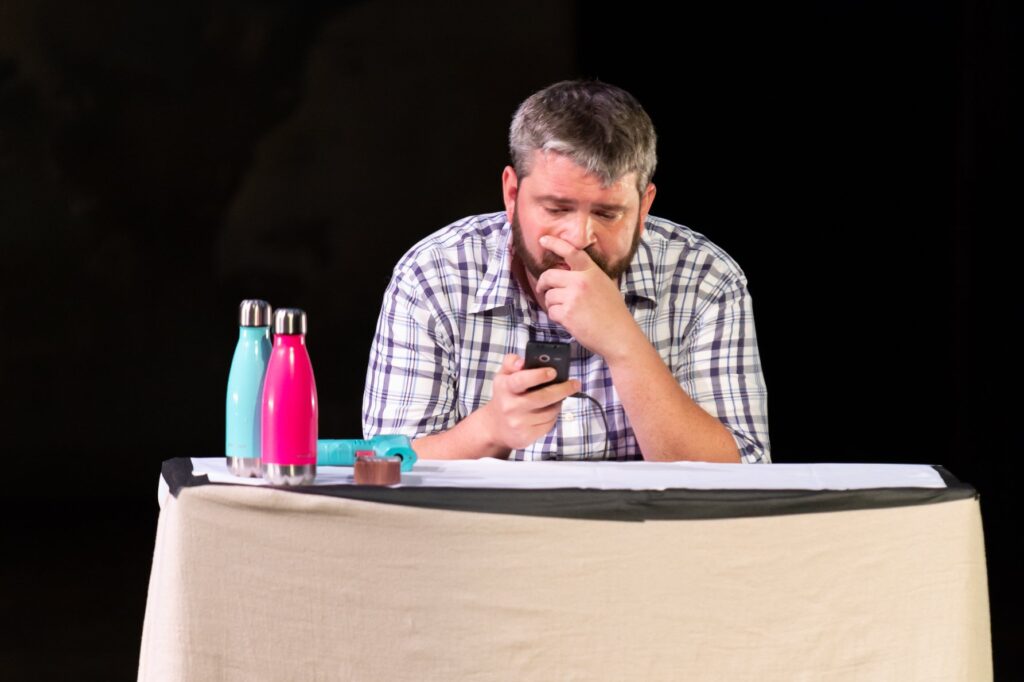
During my times at fringe festivals, I have found plays of a speculative nature to be well attended and well received. I have seen everything at fringe from an interactive space-adventure play for children (Remy Raygun of the Space Brigade: A Build-Your-Own Space Opera written by Jacob Gulliver and Kyle Dekker) to a dystopian one-man show (Soft written by J. Merrill Motz) about a “nice guy” who is willing to literally torture himself in order to match on an experimental dating app. And I saw them both the same weekend at the Minnesota Fringe Festival.
Why Fringe?
Some playwrights create with the fringe as the final destination for their work. These are the audiences and this is the community that their work is made for. Some of these writers are local to a large fringe that they write and produce for regularly, while others travel around from one festival to another, touring the same show, sometimes for years. The network of festivals to which artists tour a show is often called “the fringe circuit.” Typically, touring shows are done by solo artists or small groups that write or devise their own material and then also perform it.
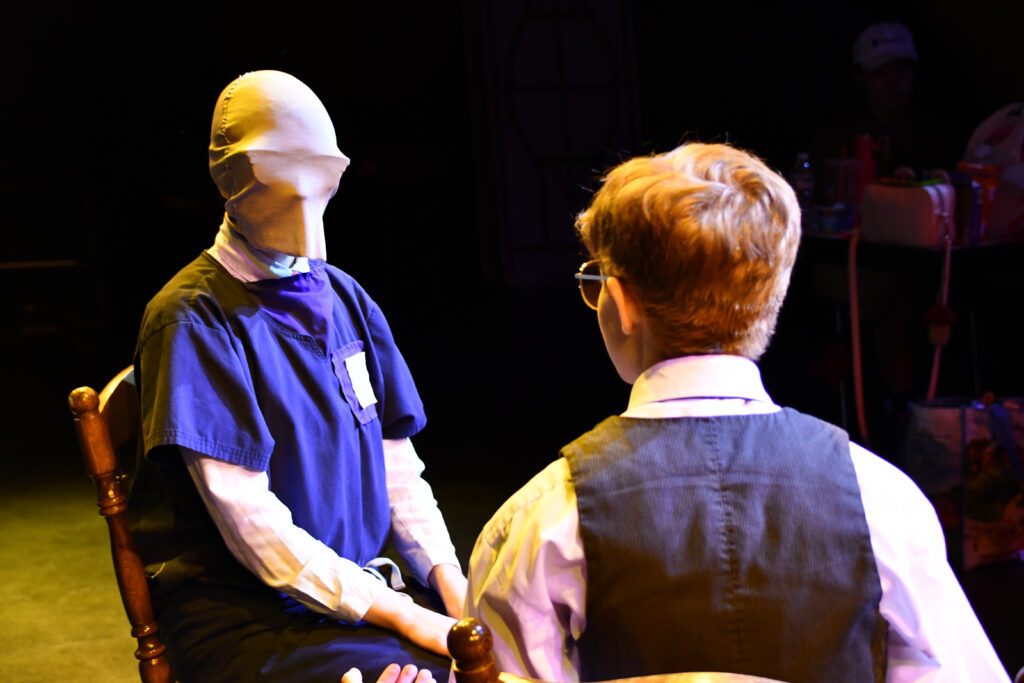
Other playwrights create shows with the idea of fringe as a starting place for their work. The fringe production becomes “proof of concept” for other theater companies that might be interested in the script. Writers with this in mind might focus on inviting reviewers to their fringe show and getting high-quality photos.
SFF Fringe Success
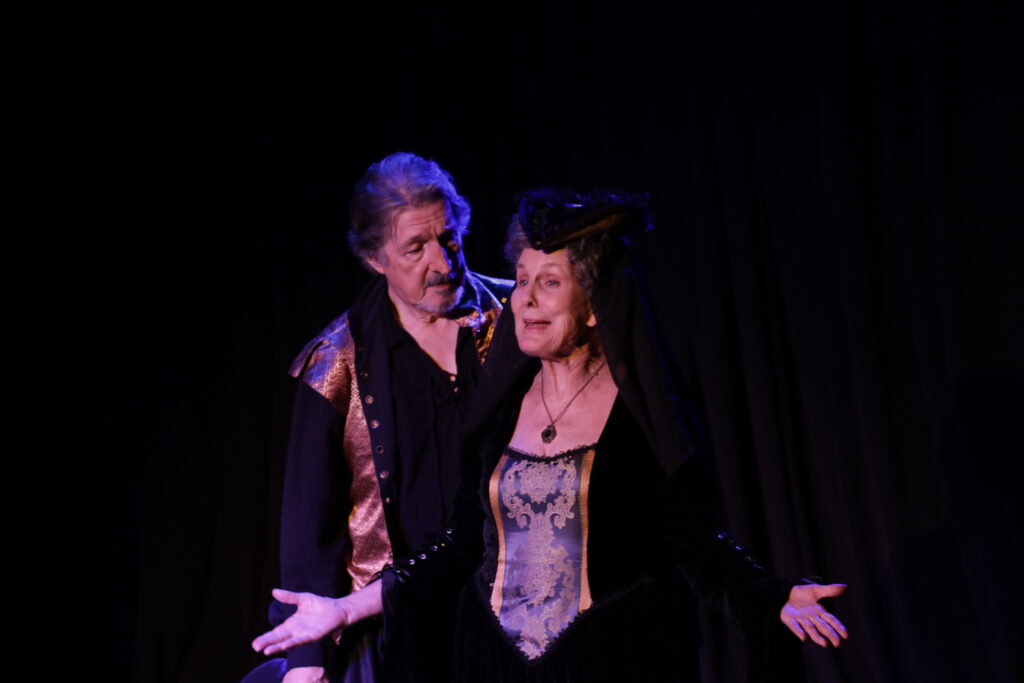
My most successful play, Cyrano on the Moon, started as a show that I took to the Tampa International Fringe Festival in 2017.
Unplanned Obsolescence, which fellow SFWA member Alex Kingsley wrote for the Philadelphia Fringe Festival in 2023, was so popular that it was standing room only by the final performance of that run. Unplanned Obsolescence was later produced by Gender Fucked Productions as a staged reading at Trans Scribe: A New World Festival (Steppenwolf Theatre, Chicago).
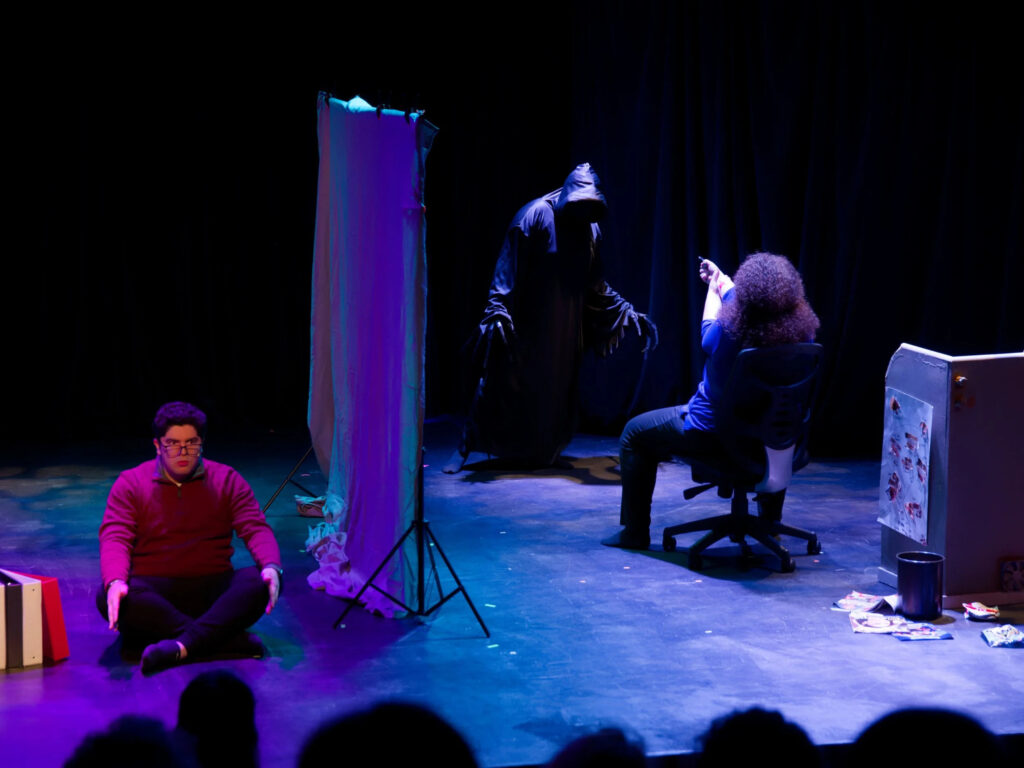
In recent years, a science fiction play won an award at one of the largest fringe festivals in North America: The Vast of Darkness by Bethany Dickens Assaf won the Critics’ Choice Award for Best Play-Drama at Orlando Fringe in 2024, and it was remounted at Orlando’s mini-fringe, FESTN4, the next year. Orlando is the longest-running fringe festival in the United States, making that a significant recognition among fringe artists.
Go Forth and Fringe!
If you are writing an SFF play, I want to encourage you to consider fringe as an avenue for producing the play. I suggest starting by going to fringe yourself and checking out the work. Talk to artists whose work you like. Fringe artists frequently attend as many other shows as they can, and there are places where artists and audience members can congregate to discuss shows. If you are looking for a producer, reach out to groups that seem to work with playwrights and see if you can pitch them a show idea. If you are interested in self-producing, put a team together and start working on it.
Explore more articles from SFF of Screen and Stage
 Monica Cross is a neurodivergent (ADHD/Dyslexic) playwright and dramaturg in Wisconsin. Her work has been produced at Silk Moth Stage, Whiskey Theatre Factory, MadLab, Otherworld Theatre Company, Theatre Odyssey, and the Hippodrome Theatre, as well as various fringe festivals and universities. She has been a finalist for Wisconsin Wrights, semifinalist for Shakespeare’s New Contemporaries and The O’Neill National Playwrights Conference. She was awarded the John Ringling Towers Individual Artist Award for Performing Arts, 2018, and she was a Fellow at the Hermitage Artist Retreat, 2019. She is a proud member of the Dramatists Guild and the Science Fiction and Fantasy Writers Association.